 (Image source: Gemini)
 We've all been told the story. Graduate from high school, pack your bags for a four-year university, and figure out the rest later. For decades, that was the only path anyone took seriously. If you didn't have a bachelor’s degree, the narrative went, you were settling for less. But walk onto a campus in 2026, and you'll see a very different reality. The script has been flipped. We're seeing a massive migration of freshmen moving away from traditional liberal arts tracks and toward trade and technical programs. It isn't just a small trend. It's a fundamental change in how your generation views work and worth.
The Declining Traditional Four-Year Narrative
Let's talk about the elephant in the room. The cost of a traditional degree has become a source of genuine anxiety for most families. When a four-year degree can easily run you over $108,000, you start asking hard questions about the return on your investment. Is a degree in philosophy or general studies actually going to pay that back?
Many students are deciding the answer is no. There's a growing skepticism toward the "college for everyone" model that dominated the last thirty years. You’ve likely seen the headlines about the student debt crisis. It’s hard to justify four years of theory when you’re worried about how you’ll afford rent after graduation.
The cultural vibe has shifted, too. We’ve stopped looking at blue-collar work as a backup plan. Now, it's often seen as the smarter, more direct route to financial independence. There's a certain prestige in being the person who actually knows how the world works, rather than just how to write a paper about it.
Specialized Trade and Technical Education
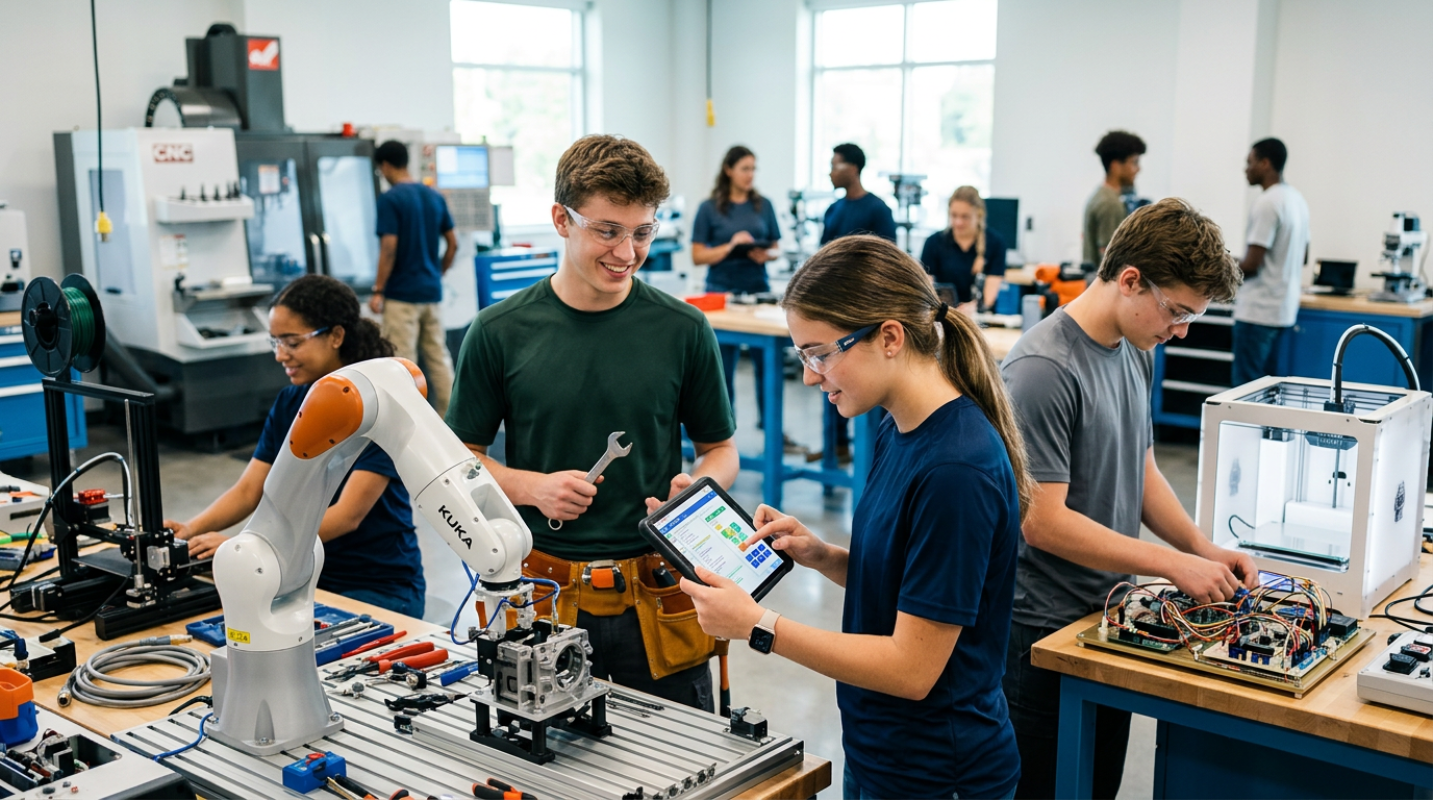
If you look at the numbers, the growth is staggering. Enrollment at public two-year schools with a heavy vocational focus jumped 13.6% recently.¹ People are calling this the "Toolbelt Generation." They aren't interested in spending years in a lecture hall. They want to get their hands on the gear and get to work.
Why the sudden rush? It's simple math. We have a massive shortage of electricians, welders, and HVAC technicians. Because there are so many openings, the pay has skyrocketed. Have you tried to call a plumber lately? You know exactly how much they're worth.
These programs are incredibly appealing because they're fast. You can often finish a certification in six months to two years. Instead of spending your early twenties accumulating debt, you're out in the field earning a paycheck. Community colleges have noticed this and are partnering with local industries to create direct pipelines from the classroom to the job site.
Beyond the Traditional CS Degree
It's not just about hammers and pipes, though. The tech world is also seeing a shift away from the traditional Computer Science degree. You don't necessarily need four years of calculus to manage cloud infrastructure or secure a network against hackers.
- Coding Bootcamps: These intensive programs focus on job-ready skills like Python or React in a fraction of the time.
- Cybersecurity Certifications: Getting a CompTIA or CISSP certification can often carry more weight with a hiring manager than a general degree.
- Cloud Infrastructure Training: Specialized tracks for AWS or Azure are becoming the new gold standard for entry-level tech roles.
This is the era of "stackable credentials." You don't just get one degree and stop. You grab a certification, work for a year, then add another skill to your belt. It's a much more flexible way to build a career in a world where technology changes every six months.
Economic Drivers and Workforce Realities
So what does this actually mean for your bank account? The data is pretty eye-opening. For the first time in a long time, the unemployment rate for people with technical training is actually lower than for those with a bachelor’s degree.
The money is there, too. Electricians and plumbers often see median salaries between $60,000 and $70,000. If you specialize in something like elevator tech, you could be looking at over $100,000. When you factor in the lack of student debt, the "early career ROI" for trades often beats out many white-collar jobs.
Then there's the AI factor. Have you thought about which jobs are safe from automation? AI can write a decent marketing email or a basic legal brief, but it can't crawl into a crawlspace to fix a complex HVAC issue. Gen Z is incredibly pragmatic about this. They want "AI-proof" careers that require physical presence and real-world problem-solving.
This article on vyager.com is for informational and educational purposes only. Readers are encouraged to consult qualified professionals and verify details with official sources before making decisions. This content does not constitute professional advice.